

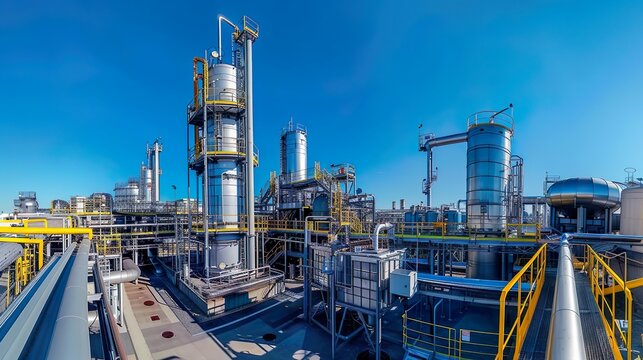
Industry is the engine that drives economic development, social transformation, and technological advancement in the modern world. It encompasses the production of goods and services through organized labor, machinery, and innovation, creating the foundation upon which societies build wealth and improve standards of living. The concept of industry is multifaceted, spanning traditional manufacturing sectors to cutting-edge fields such as technology and renewable energy. Understanding the complexities of industry involves appreciating its historical evolution, its present-day dynamics, and its critical role in shaping the future.
Historically, industry has been central to human progress. The Industrial Revolution, which began in the late 18th century, marked a seismic shift in production methods and societal organization. It transitioned economies from agrarian-based livelihoods to mechanized manufacturing, introducing innovations like the steam engine and assembly line. This revolution not only accelerated the production of goods but also altered social structures by creating urban centers, new job opportunities, and unprecedented economic growth. The ripple effects of this transformation continue to influence the structure and scale of modern industry.
In its broadest sense, industry can be categorized into primary, secondary, and tertiary sectors. The primary sector involves the extraction of natural resources, such as mining, agriculture, and fishing. The secondary sector focuses on manufacturing and construction, where raw materials are transformed into finished products. Finally, the tertiary sector encompasses services, including retail, finance, healthcare, and education, which support both individuals and other industries. These sectors are interdependent, collectively sustaining economic ecosystems and employment worldwide.
The industrial landscape today is remarkably diverse and dynamic. Traditional heavy industries like steel, automotive, and textiles coexist alongside emerging sectors such as information technology, biotechnology, and renewable energy. This diversification reflects broader economic shifts, including globalization, technological innovation, and environmental awareness. For instance, the rise of automation and artificial intelligence has revolutionized manufacturing processes, increasing efficiency while reshaping labor markets. Similarly, the growing focus on sustainability has prompted industries to adopt cleaner technologies and circular economy principles, reducing waste and conserving resources.
Globalization has further intensified industrial complexity by linking markets, supply chains, and labor forces across continents. This interconnectedness allows industries to optimize production, access new consumer bases, and innovate collaboratively. However, it also introduces challenges, such as supply chain vulnerabilities, regulatory disparities, and ethical considerations around labor practices. The COVID-19 pandemic starkly exposed these vulnerabilities, prompting calls for more resilient and locally adaptable industrial strategies without sacrificing global cooperation.
Industry’s contribution to economic growth cannot be overstated. It generates employment opportunities, fosters innovation, and produces goods that satisfy both domestic needs and international demand. Industrial development often acts as a catalyst for infrastructure improvement, education, and technological progress, creating a virtuous cycle of growth and prosperity. Moreover, a robust industrial base enhances national security and geopolitical influence by ensuring self-sufficiency in critical sectors.
Yet, the industrial sector must navigate significant challenges in the 21st century. Environmental sustainability is at the forefront, as industries worldwide face increasing pressure to minimize carbon footprints, reduce pollution, and conserve finite resources. Climate change mandates a paradigm shift towards greener production methods, renewable energy adoption, and sustainable supply chains. Regulatory frameworks and consumer preferences are evolving rapidly to favor eco-conscious products and corporate responsibility, reshaping competitive landscapes.
Labor dynamics also present ongoing complexities. While automation and digitalization boost productivity, they can displace traditional jobs and necessitate workforce reskilling. The challenge lies in balancing technological advancement with inclusive employment policies, ensuring that workers are equipped for new roles in a shifting industrial ecosystem. Additionally, fostering diversity and equitable opportunities within industries enriches innovation and social cohesion.
Technological innovation remains the lifeblood of industrial progress. Advances in robotics, data analytics, the Internet of Things, and additive manufacturing (3D printing) are revolutionizing how goods are designed, produced, and distributed. Smart factories utilize interconnected systems to optimize operations, reduce costs, and customize products at scale. These developments enhance competitiveness and open new business models but require continuous investment in research and development.
The social implications of industry extend beyond economics. Industrialization influences urbanization patterns, shaping the development of cities and communities. It affects lifestyles, consumer habits, and cultural expressions, reflecting broader societal changes. For example, the rise of consumer electronics and digital communication tools has transformed how people interact, work, and entertain themselves. Industry thus becomes a mirror and motor of societal evolution.
Looking forward, the concept of industry is evolving towards greater integration with sustainability and digital transformation. The Fourth Industrial Revolution, characterized by the fusion of physical, digital, and biological systems, promises unprecedented opportunities and challenges. Emerging fields such as clean energy technologies, biotechnology, and advanced materials science hold the potential to address pressing global issues like climate change, health crises, and resource scarcity.
Governments, businesses, and civil society all have roles to play in shaping the future of industry. Policy frameworks must encourage innovation while safeguarding environmental and social interests. Investment in education and vocational training is crucial to prepare the workforce for new industrial realities. Moreover, fostering collaboration between public and private sectors can accelerate the development and deployment of sustainable industrial technologies.
In conclusion, industry remains the backbone of modern civilization, intricately linked to economic vitality, technological progress, and social development. Its historical roots remind us of the transformative power of innovation, while its present complexities highlight the need for adaptability and responsibility. As the world confronts unprecedented challenges and opportunities, industry must continue to evolve—embracing sustainability, digitalization, and inclusivity—to ensure that it not only drives growth but also contributes to a resilient and equitable future for all. In celebrating industry, we recognize the ingenuity and perseverance that have shaped human progress and will undoubtedly define the path ahead.